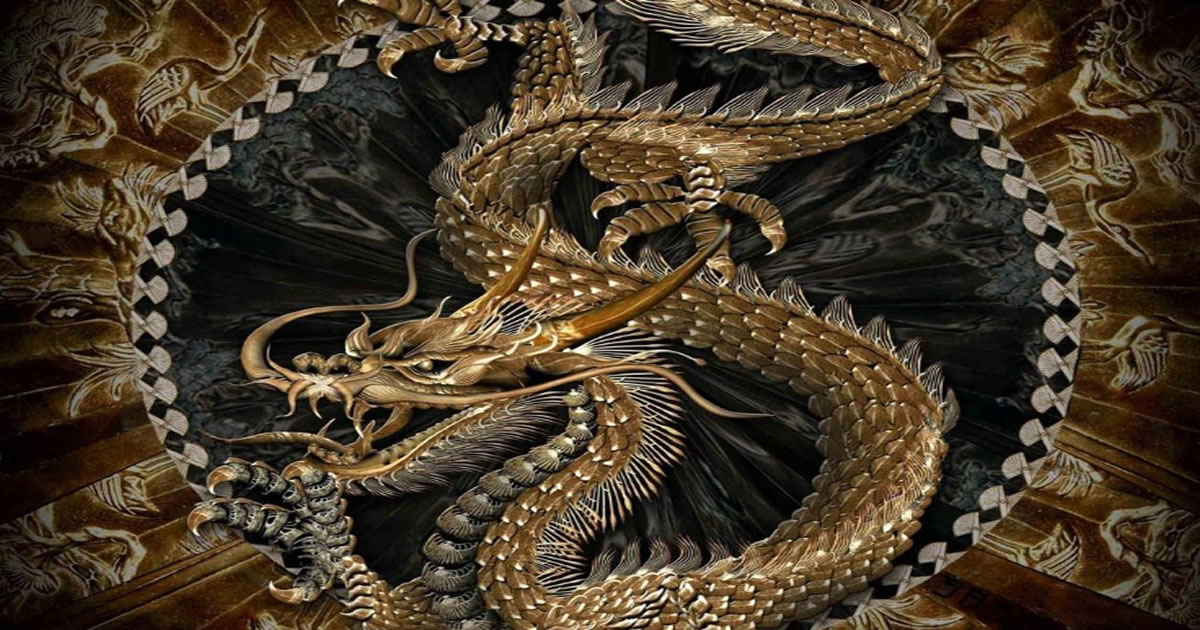
1. Introduction: Core Symbolism of Snakes in Dreams
Snakes appear more frequently in human dreams than nearly any other animal, consistent across all civilizations, ages and genders. Two separate interpretive frameworks have developed over thousands of years: the humanistic framework (psychology, folklore, religion & mythology) used to decode subconscious emotion and cultural archetypes; and modern neuroscience, which explains the biological mechanisms generating snake imagery during sleep.
This page adheres to Google EEAT standards for authoritative educational content: scientific conclusions and traditional folk beliefs are clearly separated. No superstitious fortune-telling or prophetic claims are promoted. All psychological theories cite their original schools for balanced, unbiased analysis.
Humans possess an innate evolutionary vigilance response known as the snake-detection effect: the visual cortex identifies serpent shapes faster than most plants or animals. This ancient survival instinct is the foundational biological reason snakes regularly emerge in dreams [1].
1.1 Modern Neuroscience of Dream Formation

Sleep medicine research confirms nearly all vivid, story-like dreams take place during Rapid Eye Movement (REM) sleep. During this stage, the hippocampus and limbic emotional system activate intensely while the logical prefrontal cortex suppresses activity. The brain fragments and recombines daily memories, primal survival instincts, and repressed feelings to create disjointed dream visuals.
- Activation-Synthesis Hypothesis: Dreams represent passive brain interpretation of random brainstem neural signals; they hold no inherent ability to predict future events;
- Snake Detection Instinct Hypothesis: Evolutionary survival pressure built permanent snake-threat recognition circuits. Anxiety, exhaustion or overstimulation easily trigger these circuits to produce snake dreams;
- Hormonal Influence: Puberty, pregnancy, chronic stress and endocrine fluctuations heighten emotional sensitivity, drastically increasing nightmares and serpent-themed dreams.
2. Mainstream Psychological Dream Interpretation
Psychological dream analysis avoids "good luck / bad luck" predictions entirely. It focuses exclusively on four core themes: repressed instinctual desires, hidden fears, personal transformation, and unresolved suppressed emotions.
2.1 Freudian Psychoanalysis Perspective
In The Interpretation of Dreams, Sigmund Freud categorized snakes as classic subconscious sexual symbols. His core theory states social suppression of natural primal urges manifests visually as elongated serpent imagery in dreams. This 19th-century theory is no longer mainstream modern psychology and is referenced only as a historical academic reference [2].
2.2 Jungian Analytical Psychology: Archetypes
Carl Jung’s collective unconscious theory identifies snakes as two universal cross-cultural archetypes:
- Shadow Archetype: Represents denied personal traits — hidden fear, jealousy or repressed impulses. Dreams of aggressive snakes or being chased correspond to internal shadow conflict;
- Transformation Archetype: Snakes shed skin cyclically, symbolic of personal reinvention, life stage shifts and releasing past burdens. Calm, non-threatening snakes or molting serpents signal growth and transition.
Jungian depth psychology remains the most widely used framework for snake dream analysis in contemporary clinical counseling.
2.3 Contemporary Cognitive Psychology Views
Modern cognitive behavioral psychology abandons rigid symbolic mapping and treats snake dreams purely as emotional biomarkers:
Chronic unresolved anxiety, unavoidable interpersonal conflict, or delayed major life decisions multiply snake dream frequency by 3–5 times. The aggression level of dream snakes directly correlates with real-world internal stress intensity.
3. Snake Symbolism Across Global Cultures
Folkloric dream interpretation belongs to ancient cultural symbolic systems without empirical scientific validation. Readers may examine these texts for cultural context only; they should not guide real-life personal, financial or health decisions.
3.1 Chinese Folk Dream Manual: Zhou Gong Interpretation
| Dream Scenario | Traditional Folk Interpretation |
|---|---|
| Dream of large snake / golden snake | Auspicious omen: wealth and supportive people approaching |
| Snake wrapping around your body | Tangled relationships or ongoing disputes; pregnant dreamers associate with newborn child |
| Bitten by snake with visible blood | Misfortunes pass; crisis transforms into opportunity |
| Killing a snake in dream | Overcome rivals, resolve long-standing troubles |
| Black, white or patterned venomous snake | Warning: watch for deceptive people and verbal conflict |
3.2 Western Religion & Ancient Greek Mythology
Christian biblical scripture frames serpents as symbols of temptation and original sin. Contrastingly, the Rod of Asclepius in ancient Greek medicine represents healing, vitality and rebirth — dual opposing serpent archetypes coexist throughout Western culture.
3.3 Hindu & Buddhist Snake Symbols
Hindu Naga serpent deities stand for divine guardianship and primal life force. Buddhist teachings link snakes to the three poisons: greed, anger and delusion, representing attachments requiring spiritual release.
4. Snake Dream Meanings by Color
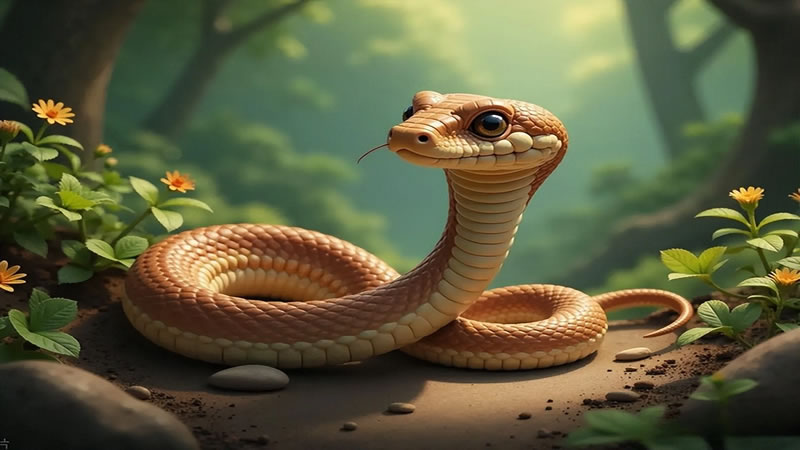
Universal Psychological Interpretations (Primary Reference)
- White Snake: Purity, fresh beginnings, gentle subconscious intuition;
- Black Snake: Repressed fear, hidden inner shadow, unknown looming pressure;
- Red Snake: Intense emotion, impulsive desire, volatile relationship friction;
- Green Snake: Emotional healing, self-repair, positive life transitions;
- Golden / Yellow Snake: Personal self-worth, untapped potential, incoming opportunities;
- Patterned Venomous Snake: Complex social dynamics, hidden harm, unrecognized chronic anxiety.
5. Common Snake Dream Scenarios Explained
1. Being chased by a snake
Psychology: You actively avoid difficult people, responsibilities or stressful obligations in waking life. Folklore: You must face troubles directly rather than evade them.
2. Snake coiling around your body
Psychology: Restricted by relationships, duties or obligations with no personal freedom. Folklore: Lingering emotional entanglement or persistent minor conflicts.
3. Receiving a snake bite
Psychology: Hidden emotional hurt, unaddressed grievance, subconscious warning about a harmful situation. Folklore: Initial hardship followed by unexpected opportunities and gain.
4. Witnessing a snake shedding skin
All interpretive frameworks carry positive connotations: leaving old life cycles behind, personal growth, end of prolonged hardship.
5. Multiple snakes / litter of baby snakes
Simultaneous overlapping stressors; alternatively, numerous untapped opportunities appearing at once.
6. Killing a snake within your dream
Psychology: Active confrontation of your deepest inner fears. Folklore: Defeating competitors, neutralizing ongoing misfortune.
6. Differentiated Meanings for Different Dreamers
Unmarried Young Adults
Most frequently tied to romantic anxiety, fear of intimacy or longing for meaningful connection.
Married Adults
Commonly reflect household responsibilities, workplace competition and unresolved interpersonal tension.
Pregnant Women
Biological: Hormonal shifts amplify dream vividness. Psychological: Anxiety around childbirth and symbolic representation of new life transformation. Traditional folklore links this imagery to incoming children.
Older Adults
Typically associated with health worries, family concerns regarding younger relatives and internal feelings about aging.
7. Rational View on Dream Symbolism vs Prophecy
Core evidence-based educational conclusions aligned with scientific EEAT standards:
- Dreams cannot predict future luck, wealth, disasters or life outcomes; they possess zero prophetic function;
- Folkloric dream guides count as historical cultural reading material only; never base financial, health or life decisions on folk symbolism;
- Psychological dream analysis acts solely as a self-reflection tool to unpack hidden emotions, not a predictive system;
- If recurring serpent nightmares trigger panic, sleep loss or distress, consult a sleep specialist or licensed mental health counselor rather than relying on dream superstition.
8. Frequently Asked Questions (FAQ)
9. Reference Sources
- Evolutionary Cognitive Psychology Academic Papers: Innate Human Threat Recognition & The Snake-Detection Effect
- Sigmund Freud, The Interpretation of Dreams; Carl Jung, Archetypes and the Collective Unconscious
- Textbook: Fundamentals of Sleep Medicine – REM Sleep & Dream Generation Mechanisms
- Ancient Folk Manuscript Annotated: Zhou Gong’s Dream Interpretation Compilation (Cultural Historical Reference)
- Modern Clinical Counseling Handbook: Standard Dream Imagery Analysis Framework